
Mandor Gardens guide
A quiet cloud-forest walk along the railway from Aguas Calientes to the Mandor waterfall — orchids, birdlife and butterflies, and the perfect low-key extra day or rainy-citadel alternative.
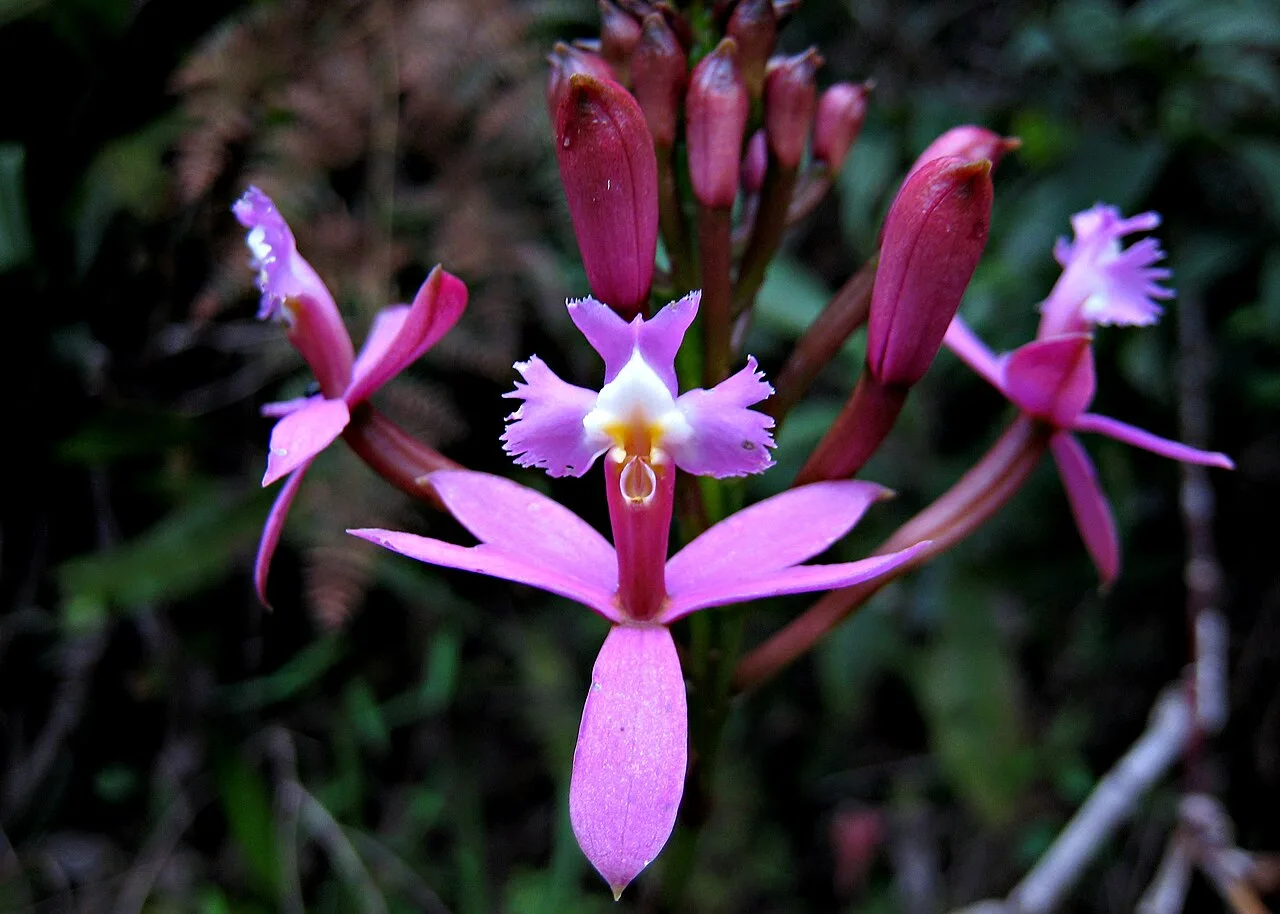
Photo: Filipe Fortes / Wikimedia Commons · CC BY-SA 2.0
- ✓Mandor (Jardines de Mandor) is a private nature reserve a flat walk downriver from Aguas Calientes, ending at a tall cloud-forest waterfall.
- ✓It's a birding and orchid haven — cock-of-the-rock, hummingbirds, tanagers and butterflies — and a world quieter than the citadel.
- ✓The walk follows the railway line out of town for roughly an hour or so each way along the valley floor, with very little climb.
- ✓It's the ideal low-effort extra half-day, a gentle acclimatised stroll, or a rainy-day alternative when the citadel is socked in cloud.
The quiet green valley next door
Almost everyone who comes to Aguas Calientes is pointed straight up — onto the bus, up the switchbacks, into the citadel and away. Few realise that just downriver, in the opposite direction, the same cloud forest that crowns Machu Picchu spills along the valley floor in a tangle of orchids, ferns and birdsong, and that you can walk into it on a flat, easy path. The Jardines de Mandor — Mandor Gardens — are a small private reserve a gentle hour or so out of town, ending at a slender waterfall that drops through the green. It is the antidote to the citadel's queues: hardly anyone goes, and the loudest sound is the river and the birds.
This is a place for a different pace. Where Machu Picchu is timed, ticketed and choreographed, Mandor asks nothing but a small entrance fee and a willingness to walk slowly and look closely. It rewards birders especially — the cloud forest here is rich — but it suits anyone wanting an unhurried, low-altitude leg-stretch among orchids and butterflies, a soft extra day, or somewhere lovely to spend a morning when the citadel is lost in mist. Think of it as Machu Picchu's quiet, leafy back garden.
At a glance
The essentials of a Mandor outing. The entrance fee and the reserve's exact arrangements are set by the private owners and can change, so confirm locally; the walk follows an active railway, so basic caution applies throughout.
- What: Jardines de Mandor — a private cloud-forest nature reserve and waterfall downriver from Aguas Calientes.
- Getting there: a flat walk out of town following the railway line, roughly an hour each way.
- Effort: easy and almost level — far gentler than the citadel's stairs, at lower altitude.
- Highlights: a tall waterfall, orchids, hummingbirds, the Andean cock-of-the-rock, butterflies and dense forest.
- Cost: a modest entrance fee to the private reserve (cash, confirmed on arrival).
- Best for: birders, a low-effort extra day, an acclimatising stroll, or a rainy-citadel alternative.
How do I get to Mandor?
You walk, and the walk is part of the point. From Aguas Calientes you follow the railway tracks downstream — the opposite direction to most of the action — along the floor of the Vilcanota/Urubamba gorge. The path is essentially flat, hugging the river and the line as the valley narrows, and after roughly an hour (give or take, depending on your pace and how often you stop to look at birds) you reach the gardens and the trail up to the waterfall. There is no road, no bus and no booking; you simply set off and follow the rails.
Two sensible cautions. First, this is a live railway, so stay alert for trains, step well clear when you hear one coming, and keep children close — the trains are frequent and quiet until they're near. Second, it's worth going earlier in the day to have time at the falls and back before dark, and to catch the birds when they're most active. Some travellers hire a local guide for the birding, which sharpens the experience considerably if cock-of-the-rock and tanagers are why you've come; others simply wander it themselves with a phone full of bird-app recordings.
What will I see there?
Mandor is, above all, a place to look up and look closely. The reserve protects a slice of genuine cloud forest, and that habitat is extraordinarily rich in life. Birders come for the chance of the Andean cock-of-the-rock — Peru's flamboyant scarlet-and-black national bird — along with a parade of hummingbirds, tanagers, flycatchers and more; the gardens are quietly one of the better accessible birding spots in the immediate Machu Picchu area. Orchids cling to the trees and rocks (the wider sanctuary is famous for hundreds of orchid species), butterflies drift through the clearings, and the whole place hums with insect and bird sound.
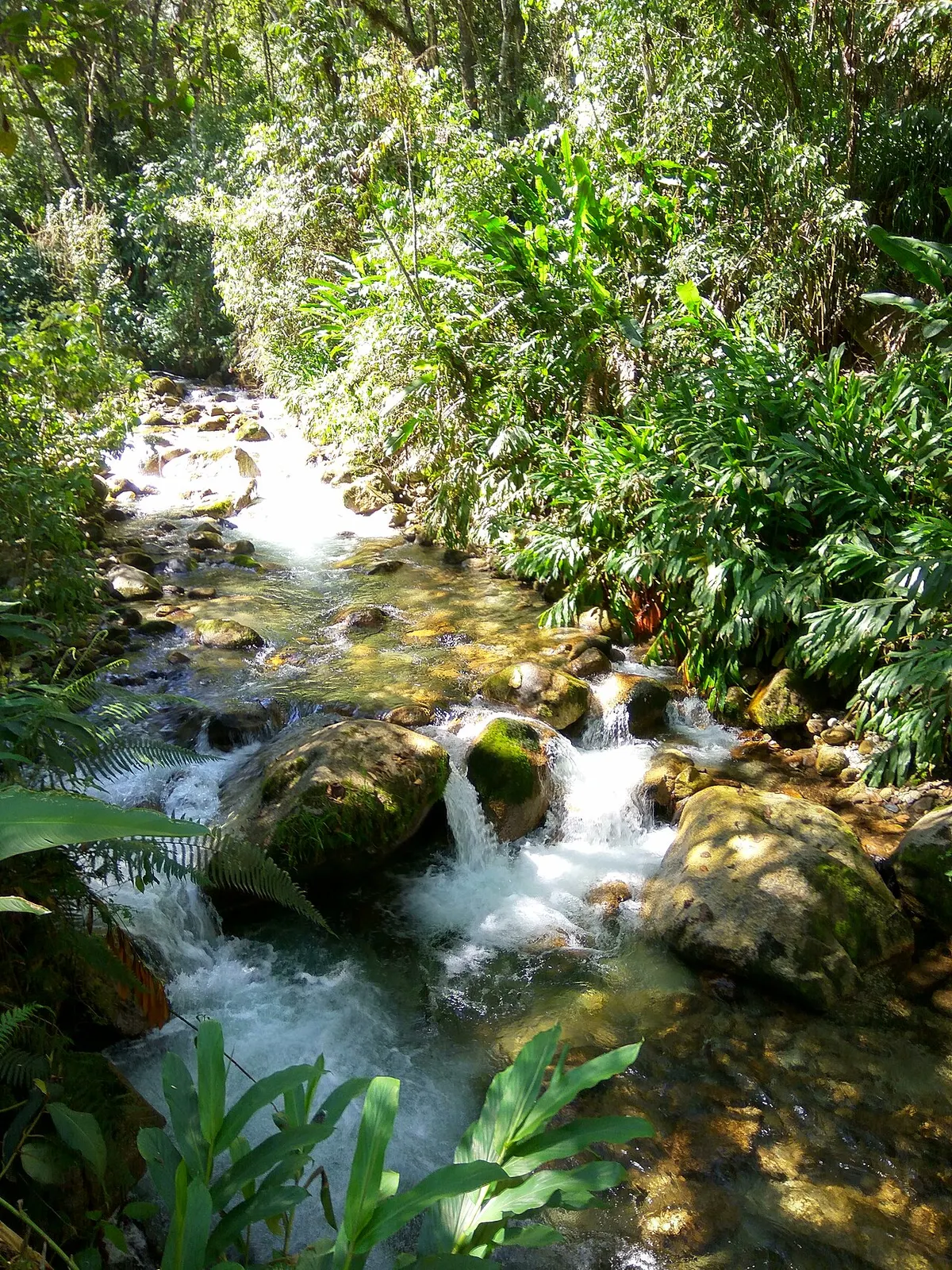
The walk culminates at the Mandor waterfall, a tall ribbon of water dropping through the forest into a pool, reached by a short trail up from the gardens. It's a serene, dripping, deeply green spot — the kind of place that feels a long way from the ticket queues even though the citadel is a couple of valleys up. You won't find grand Inca architecture here; what you'll find is the living forest that makes this corner of the Andes a UNESCO sanctuary in the first place, experienced slowly and almost alone.

When does Mandor make sense in a trip?
Mandor earns its place in a few specific situations, and it's worth knowing them so you don't crowbar it in where it doesn't fit. The most natural is the unhurried extra half-day: you've done the citadel, you have a morning or afternoon spare before the train out, and you'd rather walk gently among orchids than sit in a café. It's also a fine acclimatising stroll early in a trip — almost flat, at the route's lowest altitude — that gives your body easy movement without the punishing stairs of the ruins.
Its best hidden use, though, is as a rainy-day or socked-in-cloud alternative. When the mist swallows Machu Picchu and the photos won't come, a cloud forest in the rain is exactly where it's supposed to be — dripping, green, alive with birds — and Mandor turns a washout into a lovely, low-stakes morning. It's also a quietly romantic outing for couples wanting time away from the crowds, and a manageable nature walk for families, with the railway caution in mind. What it isn't is a substitute for the citadel itself, or a place to rush; give it half a day and let it be slow.
Mandor versus the citadel's other walks
It helps to place Mandor among the other short outings around the mountain, because they answer quite different urges. The walk up to the Sun Gate or the Inca Bridge, the climbs of Huayna Picchu or Machu Picchu Mountain — these are all inside the ticketed sanctuary, tied to your circuit and slot, and they're about Inca stone and dizzying viewpoints. Mandor is the opposite proposition: outside the ticket system entirely, down on the valley floor rather than up on the ridges, and about living forest rather than architecture. You don't need a permit, a circuit or a timed entry; you need a few hours and a pair of walking shoes.
That makes Mandor the natural complement to a citadel day rather than a competitor with it. The ruins give you the grand, choreographed, once-in-a-lifetime morning; Mandor gives you the slow, quiet, almost private afternoon that lets the legs recover and the senses reset. Couples who've spent the morning jostling for the postcard shot often find the gardens the more romantic half of the day, precisely because there's no crowd and no clock. And for anyone who finds the citadel's stairs punishing at altitude, the flat riverside path is a gentle, restorative contrast.
Practical tips for the walk
Go prepared for cloud forest, which is to say go prepared for damp. Even in the dry season the valley floor here is humid and the falls keep the air wet, so light rain protection, quick-drying clothes and shoes with grip pay off. Bring water, a snack (there's little to buy out here), insect repellent for the lower, buggier stretches, and binoculars if you have them — the birding is the main event and a small pair transforms it. Sun protection still matters when the cloud lifts.
Set off with daylight to spare so you're not walking the tracks back at dusk, carry the small entrance fee in cash, and consider a local guide if birds or orchids are your priority — they'll find and name things you'd walk straight past. Tread lightly: this is a private reserve and a fragment of protected cloud forest, so take your litter back to town, keep to the paths, and let the place stay as quiet as you found it. Done right, Mandor is the gentlest, greenest, most peaceful few hours on the whole Machu Picchu route.
- Bring: water, a snack, rain protection, insect repellent, grippy shoes and binoculars.
- Carry the entrance fee in cash — there are no card facilities out here.
- Start early for active birdlife and time to return before dark along the tracks.
- Stay alert on the live railway and keep the reserve litter-free.


Related guides
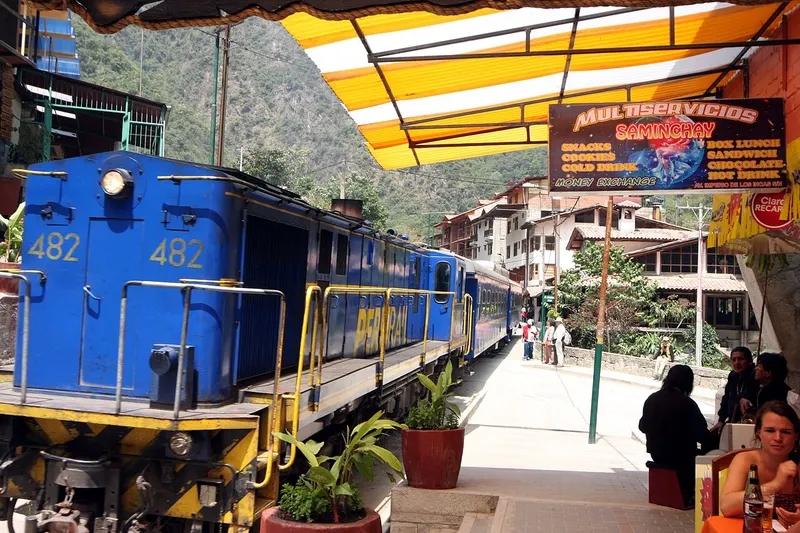
Aguas Calientes (Machu Picchu Pueblo): The Complete Guide
Aguas Calientes — officially Machu Picchu Pueblo — the cloud-forest town at the foot of the citadel. Where to sleep, how the trains and buses connect, the food, the hot springs, luggage, and how long to stay for a calmer entry.
Read guide
Two Days at Machu Picchu: The Overnight Plan
A two-day Machu Picchu itinerary built around one night in Aguas Calientes — calmer entry slots, the second-entry decision, less transit stress, and a relaxed train in and out, paced for couples and first-timers who want the citadel to breathe.
Read guide
A Rainy Day at Machu Picchu
Rain at the citadel is normal, not a disaster — how to dress for cloud forest, which circuits cope best, how to build train buffers, the Aguas Calientes backups, and why mist makes the most haunting photographs of all.
Read guideMore in Around the Site
6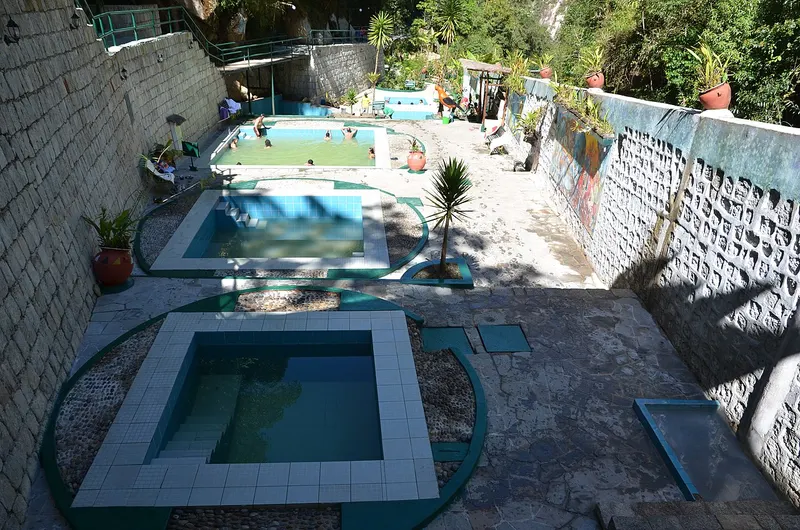
Aguas Calientes hot springs
The thermal baths that give Aguas Calientes its name — what to expect, when to go, what to bring, and whether they're worth a soak before or after the citadel or a long trek.
Read guide
Aguas Calientes restaurants
Where and how to eat in the town below Machu Picchu — the early breakfast that makes a dawn entry possible, the warm lunch on the way down, the celebratory dinner, and how to time meals around late trains.
Read guideBelmond Sanctuary Lodge
The only hotel beside the Machu Picchu entrance gate — who should splurge on it, what its location genuinely buys you, and the things it does not solve. An honest look at the citadel's most coveted address.
Read guide
Best hotels in Aguas Calientes
How to choose well among the hotels of the town below Machu Picchu — judged not on stars alone but on bus-queue and station proximity, river views, family fit, early breakfasts, luxury and value, and how cleanly each one sets up the citadel morning.
Read guide
Budget food in Aguas Calientes
How to eat well for less in Aguas Calientes (Machu Picchu Pueblo) — bakeries and set menús, market snacks, an early breakfast before the bus, and where the captive-market markups hide.
Read guide
Budget hotels in Aguas Calientes
How to sleep cheaply in the town below Machu Picchu without missing a train, a bus or your early entry — what a good budget room needs to get right, where the value sits, and the traps to dodge.
Read guide