
Cusco acclimatization & altitude
How to land soft in Cusco at 3,399 m: reading soroche, pacing your first day, what to eat and drink, the easy activities that help, and when to simply rest before Machu Picchu.

Photo: Justin McCloskey / Unsplash
- ✓Cusco sits at 3,399 m — higher than Machu Picchu (2,430 m) — so the worst of the altitude hits here, on arrival, not at the ruins.
- ✓Give the thin air time: a slow first day, plenty of water, light food and no alcohol does more than any pill or potion.
- ✓Mild headache, breathlessness and broken sleep are normal in the first 24–48 hours; severe or worsening symptoms are not — take those seriously.
- ✓Sleeping lower first — in the Sacred Valley around 2,800 m — is the single kindest move for anyone prone to altitude sickness.
Say it like a local
Tap to hear each one spoken.
The mountain you climb is the one in your hotel room
There is a romance to the idea of struggling up to a lost city in the clouds, and almost everyone arrives braced for the citadel to be the hard part. It is one of the gentle surprises of a Machu Picchu trip that the opposite is true. Cusco, the old Inca capital where nearly every journey begins, stands at 3,399 m — close to a thousand metres higher than Machu Picchu itself. The thinnest air, the headache, the strange flutter of breathlessness on a flight of stairs: that all happens in the city, often within hours of stepping off the plane, long before you see a single terrace.
Understanding that reframes the whole first part of the trip. Your acclimatization is not training for the ruins; it is simply letting your body catch up with the height you have already reached. Do that well and the rest of the journey — the train, the climb, the long photographic mornings — unfolds in comfort. Rush it and you can lose a precious day to a thudding head and a churning stomach. The questions below are the ones travellers actually arrive with, answered in order.

At a glance
The altitude picture in brief. Elevations are fixed facts; how your own body reacts is individual, so treat these as a frame, not a forecast.
- Cusco: 3,399 m — the highest you will sleep on a standard trip.
- Sacred Valley floor: roughly 2,800 m — lower, warmer, kinder for first nights.
- Machu Picchu citadel: 2,430 m — you descend to reach it.
- Acclimatization window: the body adjusts over 24–72 hours, not minutes.
- First-day rule: go slow, hydrate hard, skip alcohol, eat light.
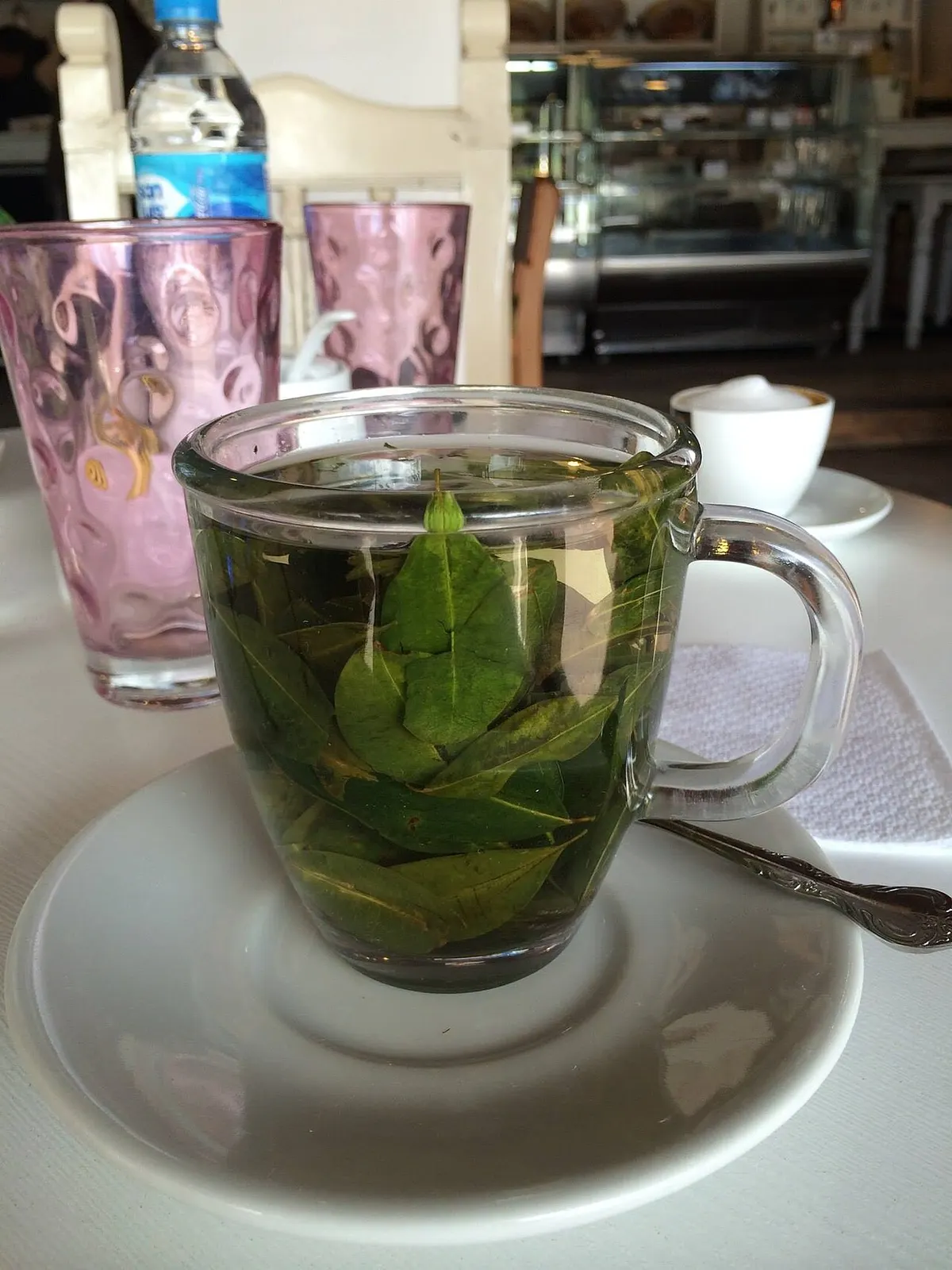
- Local standby: mate de coca (coca-leaf tea), poured freely in most hotels.
What is soroche, and what does altitude sickness feel like?
Soroche is the Andean word for acute mountain sickness — the body's response to less oxygen in each breath. In its mild and common form it feels like a hangover you did not earn: a dull or throbbing headache, light-headedness, breathlessness on the smallest exertion, a flat appetite, mild nausea and a restless, broken first night's sleep. Most visitors feel at least a touch of this in the first day or two in Cusco, and most of it fades on its own as the body produces more red blood cells to carry the oxygen it is missing.
What matters is telling ordinary discomfort from something more serious. A persistent severe headache that painkillers will not touch, repeated vomiting, confusion, a staggering loss of balance, breathlessness even at rest, or a bubbling cough are warning signs of the dangerous forms of altitude illness. These are uncommon at Cusco's elevation but not unheard of, and the response is the same: stop ascending, and seek medical help. The reassuring truth is that the simple, boring measures below prevent the vast majority of trouble.
How long do I need in Cusco to acclimatize before Machu Picchu?
Two nights before you go higher or work harder is the comfortable rule of thumb, and it folds neatly into a good itinerary anyway. Arriving, resting through a gentle first afternoon, spending a full easy day in and around the city, then setting off on the third day gives most people enough of a head start. If you have flown in from sea level — say, straight from Lima — that buffer matters more than if you have already spent time in the Andes.
The clever wrinkle, and the one no other landmark forces you to think about, is that your destination is downhill. Because the citadel sits lower than the city, you can treat the early days as banking comfort. If your schedule is tight, sleeping your first night or two in the lower Sacred Valley rather than in Cusco itself buys you the same acclimatization at a friendlier altitude, and you ride up to the high city later once you have your legs.
What should I do — and not do — on my first day?
Almost nothing strenuous, and on purpose. The first afternoon in Cusco is for moving at half speed: check in, lie down for a while if your head asks for it, and drink far more water than feels necessary — dry mountain air and altitude both pull fluid from you faster than you notice. Keep the day flat and short. A slow circuit of the Plaza de Armas, a sit in a courtyard café, an early and light dinner is a full and sensible programme. Save the long museum days, the steep climb to Sacsayhuamán and anything resembling a hike for once a night or two is behind you.
The don'ts are as important as the dos. Skip the celebratory pisco sour on the first evening; alcohol hits harder up here and works against acclimatization. Go easy on heavy, rich meals while your appetite is still finding its feet. And resist the temptation, fuelled by jet lag and excitement, to charge straight out and pack the first day full. The single most common way to ruin a Cusco arrival is simply doing too much, too soon.
- Do: drink water steadily from the moment you land.
- Do: rest, nap, and keep the first day flat and slow.
- Do: try mate de coca and eat light, frequent meals.
- Don't: drink alcohol or smoke the first evening.
- Don't: schedule climbs, treks or long days for day one.
Does coca tea help — and what about altitude medication?
Mate de coca, the pale green tea brewed from coca leaves, is the local standby and you will find a kettle of it in nearly every Cusco hotel lobby. Andean people have chewed and brewed coca for altitude for centuries, and many travellers find it genuinely eases the headache and settles the stomach. It is mild, legal in Peru and worth trying. Note only that coca can show up on a drug test, which matters to a small number of visitors.
Beyond tea, some travellers take preventive altitude medication. This is a medical decision, not a travel-blog one: the common options have real benefits and real side effects, and whether they suit you depends on your health and history. Talk to a doctor or travel clinic before you fly rather than self-prescribing on arrival. Whatever you decide, the foundations stay the same — slow pacing, relentless hydration, light food and a night or two to adjust do the heavy lifting that no pill replaces.
When should I rest, and when should I worry?
Rest is not a failure of nerve here; it is part of the plan. If the headache and breathlessness arrive, the right response is to slow down further, drink more water, and give the day over to doing very little. Most people who feel rough on the first afternoon feel markedly better by the second morning. Listen to your body's pace rather than the itinerary's, and the trip rewards you for it.
Worry — and act — when symptoms escalate instead of easing. A severe headache that will not lift, vomiting that will not stop, confusion or clumsiness, or breathlessness while sitting still are signals to descend and seek medical care, not to push through. Cusco has clinics and oxygen, and many hotels can summon help quickly. Treating altitude with respect is the most romantic thing you can do for the trip: it keeps you well enough to stand on that terrace, breathless for the right reason, and take the view in slowly.

Related guides

Altitude in Machu Picchu, Cusco & the Valley
How altitude really works across the trip — why Cusco is higher than the citadel, where soroche hits hardest, the low-to-high-to-low ladder, and sensible pacing, with medical-caution language throughout.
Read guide
Your First Day in Cusco: A Gentle Itinerary
An altitude-friendly plan for arrival day in Cusco — slow, flat and central, but still a real Cusco day. How to pace the hours from a late breakfast to a balcony dusk while your body adjusts to 3,399 m.
Read guide
Sacred Valley vs Cusco: Which to Base In First
Whether to sleep in Cusco or drop straight to the Sacred Valley for your first nights — decided by altitude, train logistics, hotels, food and atmosphere.
Read guideMore in Cusco Base
6
Best Cafés in Cusco
Where to take coffee, breakfast and a gentle acclimatization morning in Cusco — the plaza spots, the San Blas hideaways and the quieter local lanes, mapped for couples easing into the altitude.
Read guide
Best hotels in Cusco
How to choose well among Cusco's hotels for a Machu Picchu trip — judged not on stars alone but on altitude comfort, location and walkability, character, family fit, and how cleanly they set up the onward journey to the citadel.
Read guide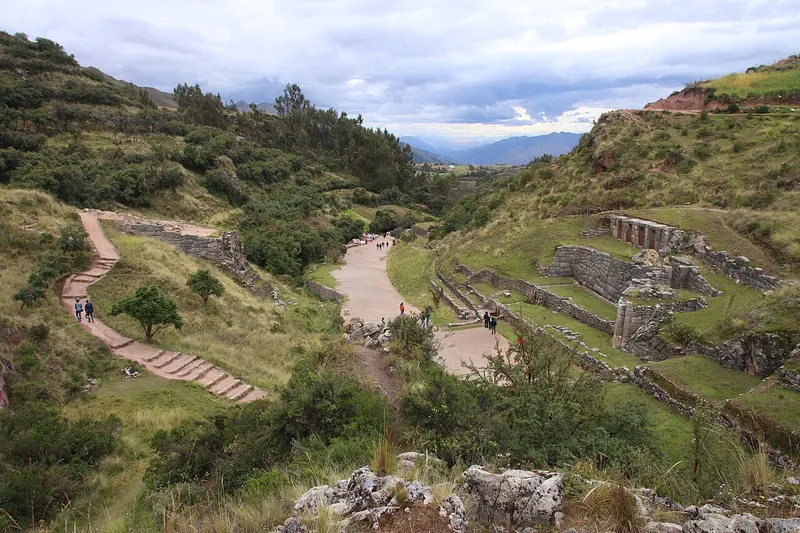
Boleto Turístico del Cusco
How the COSITUC Boleto Turístico works — the combined pass that covers Sacsayhuamán, Pisac, Ollantaytambo, Moray, the Maras–style sites and a clutch of Cusco museums — and when it's actually worth buying.
Read guide
Budget hotels in Cusco
How to sleep well in Cusco for less before Machu Picchu — value hotels, guesthouses and hostels, where the cheaper rooms cluster, and the few things never to scrimp on at 3,399 m.
Read guide
Cusco & Machu Picchu Costs
A realistic way to think about the money — the fixed citadel ticket, the train that dominates the budget, buses, guides, food and the trek add-ons — and where the costs hide.
Read guide
Cusco Cathedral: The Plaza de Armas Centrepiece
The great colonial cathedral on Cusco's Plaza de Armas — built on Inca foundations, hung with Cusco School paintings, and home to the famous guinea-pig Last Supper. Tickets, art, dress code and how it fits a first acclimatizing day.
Read guide