
Where to Eat in the Sacred Valley
A food guide to the Sacred Valley between Písac, Urubamba and Ollantaytambo — farm-to-table tables and tasting menus, the valley brewery, market lunches, trout and alpaca, and the practical notes that make eating here easy.

Photo: Pamela Huber / Unsplash
- ✓The valley punches above its size for food — Urubamba in particular has become a quiet farm-to-table destination, fed by the produce grown around it.
- ✓The local plate is Andean: river trout, alpaca, quinoa and tarwi, native potatoes, and the dishes of highland cooking, often with a modern, ingredient-led twist.
- ✓Eating spreads across three styles — destination restaurants and tasting menus, the valley brewery and casual cafés, and colourful market lunches.
- ✓The valley is high (~2,800 m): eat lightly your first day, go easy on alcohol, and carry a warm layer for cold-clearing evenings. Verify opening hours, which shift with the season.
Why the valley eats so well
It surprises people that some of the best eating of a whole Peru trip happens not in Lima or Cusco but here, in the green quiet of the Sacred Valley. The reason is the land itself. This is one of the most fertile corridors in the Andes — the Inca terraced it precisely because things grow here — and the modern valley is a patchwork of small farms, dairies and market gardens. That larder, dropped into a region that draws travellers from all over the world, has produced a cluster of kitchens that cook close to the soil: farm-to-table in the most literal sense, with vegetables, herbs and grains often grown within sight of the table.
What you eat, then, is genuinely of the place. River trout from the valley's cold waters, alpaca raised in the highlands, quinoa and its cousin tarwi, dozens of varieties of native potato in colours you didn't know potatoes came in, corn with kernels the size of a thumbnail, and the slow-cooked comfort dishes of Andean home cooking. Some kitchens serve all this as honest, hearty plates; others spin it into refined tasting menus that have put the valley on the culinary map. Either way, a long lunch here is not an interruption to the sightseeing — it is part of why you came.
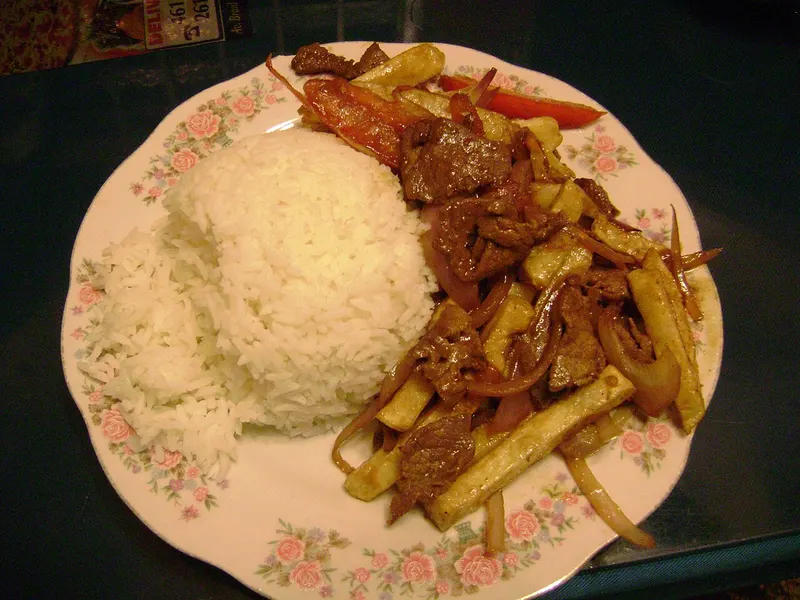
What to order in the valley
Before the where, the what. A handful of dishes and ingredients turn up again and again, and ordering them is the quickest way to eat the valley rather than eat past it.
- Trucha — river trout, grilled or pan-fried, often with native potatoes; a valley staple and a safe, delicious bet.
- Alpaca — lean, mild highland meat, served as steaks, skewers or in stews; the regional special.
- Quinoa and tarwi — as soups, salads and sides; the ancient Andean grains at their freshest here.
- Native potatoes and chuño — the valley grows astonishing potato diversity; chuño is the freeze-dried Inca version.
- Choclo con queso — large-kernel Andean corn with fresh cheese, a classic snack and market lunch.
- Lomo saltado and other Peruvian classics — the national dishes, done well at valley tables.
- Chicha and chicha morada — the fermented and the sweet purple-corn drinks; ask which you're getting.
Urubamba — the valley's food capital
If the valley has a culinary heart, it is Urubamba and the countryside around it. The town centre is workaday, but scattered through the surrounding fields and hillsides are several of the most celebrated kitchens in southern Peru. This is farm-to-table country: a famous open-air restaurant set in its own gardens where the menu is built from what was harvested that morning; refined tasting-menu dining rooms attached to the valley's grandest lodges; and, more casually, a much-loved hillside brewery where craft beer, valley views and unfussy food make an easy, sunny lunch.
Urubamba is also the natural midday stop on any valley loop, sitting at the geographic crossroads between Písac in the east and Ollantaytambo in the west, so a long lunch here is rarely out of your way. For a special occasion — a honeymoon, an anniversary, simply a meal to remember — this is where you book ahead. For an easy afternoon, the brewery and the casual spots do the job. Either way, Urubamba is the answer to 'where should we actually eat' more often than any other town in the valley.
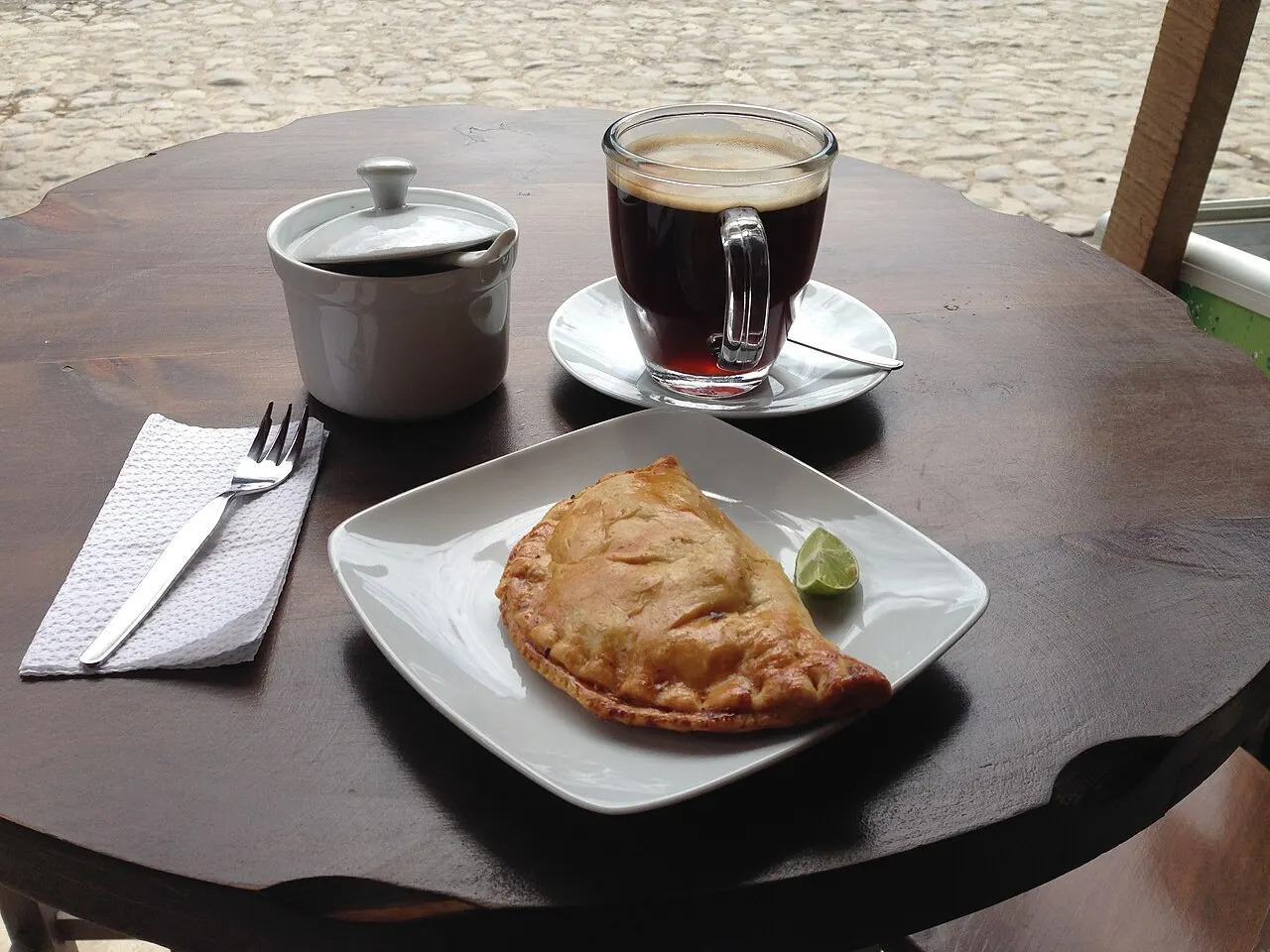
Ollantaytambo — courtyard tables under the fortress
Ollantaytambo eats far better than a town its size has any right to, which is a gift if you are spending the night before the train here. Around the Plaza de Armas and along the lanes toward the station, courtyard restaurants serve Andean staples — trout, alpaca, hearty quinoa soups, slow-roasted favourites — alongside a clutch of cafés that grew up to feed trekkers and rail travellers with good coffee, big breakfasts and pizza-oven comfort food. Several have terraces or upper rooms with a view of the temple hill, which turns an early dinner or a pre-train coffee into something genuinely lovely.
The practical note in Ollantaytambo is timing. Some kitchens keep early hours, and if you have a late-afternoon or evening train you'll want to check that dinner fits your schedule, or eat before you board. Clear evenings turn cold fast once the sun drops behind the terraces, so a warm layer for an outdoor table is worth carrying. With the citadel waiting in the morning, an unhurried courtyard dinner under the floodlit fortress is the perfect last act of a valley day.
Písac — market lunches and a bohemian streak
At the valley's eastern end, Písac has a food personality all its own, shaped by its famous artisan market and a long-running bohemian, wellness-leaning streak. Around the market and the main square you'll find empanada ovens, juice stands, and stalls selling the colourful, no-frills market lunch that is one of the great cheap pleasures of Andean travel — a plate of trout or roast meat, potatoes and salad, eaten among the textiles. It is touristy, but it is also genuine and a fraction of restaurant prices.
Layered over that is a clutch of vegetarian and vegan cafés, organic bakeries and juice bars that reflect Písac's reputation as a retreat town. If you've been craving a salad, a smoothie bowl or a gluten-free breakfast after days of highland meat and potatoes, Písac is where the valley quietly delivers. Pair a market wander with one of these cafés and you've got an easy, characterful lunch at the start of a valley day.
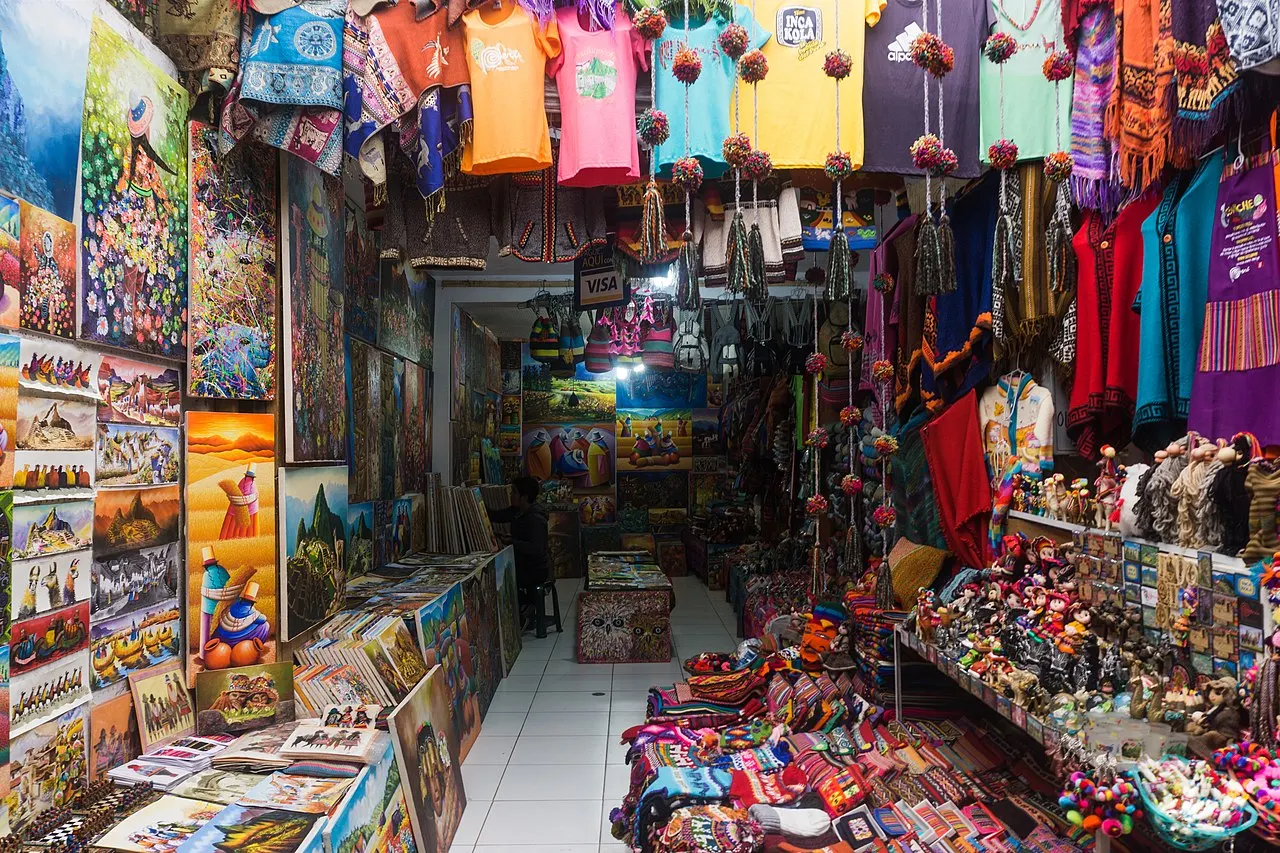
The valley brewery and casual stops
Not every meal needs a white tablecloth, and the valley knows it. A hillside craft brewery above Urubamba has become a fixture of the sunny-afternoon valley day — cold beer brewed on-site, simple sharing food, and a wide-open view down the valley that makes lingering easy. It's a relaxed, family-friendly counterpoint to the destination restaurants, and a natural pause between the morning ruins and the afternoon's salt pans.
Beyond the brewery, the casual layer runs the length of the valley: roadside trout shacks, café terraces, hotel breakfast buffets heavy with valley fruit and fresh bread, and the bakeries and juice bars of Písac and Ollantaytambo. For a sightseeing day, this is often the smarter way to eat — quick, cheap and flexible — saving the long, booked-ahead meal for an evening when you're not racing a train or a timed ticket.
Eating around a sightseeing day — practical timing
The valley's geography shapes when and where you eat as much as your appetite does. The sites string out along the river and up onto the plateau, so the natural rhythm is breakfast at your base, the headline ruins before the mid-morning crowds, a long lunch in Urubamba at the geographic middle, and a casual bite or a courtyard dinner at whichever end you finish. If your day ends at the Ollantaytambo train, build dinner around the departure — eat early, or eat after if you're staying the night.
Book ahead for the destination restaurants and tasting menus, especially in the June–July peak when the best tables fill; the casual spots and markets you can leave to the day. And mind the altitude with your eating: the valley is lower than Cusco but still high, so go easy on heavy food and alcohol your first day, drink plenty of water, and let your body adjust. A blow-out tasting menu lands better on day three than day one.
- Breakfast at base → headline ruins early → long Urubamba lunch → casual or courtyard dinner at your finishing end.
- Book destination restaurants and tasting menus ahead, especially in the June–July peak.
- Leave market lunches and casual cafés to the day — no reservation needed.
- Go easy on heavy food and alcohol your first day at altitude; hydrate.
- Verify current opening hours and days — valley kitchens shift hours with the season.


How food fits the wider valley trip
Where you eat in the Sacred Valley is woven into where you sleep, where you sightsee and where you catch the train — which is exactly why it's worth planning a little rather than leaving it to chance. If food matters to you, base in or near Urubamba for the broadest reach to the best tables; if the citadel morning is the priority, sleep in Ollantaytambo and let its courtyard restaurants feed you the night before. Písac rewards a market lunch at the start of an eastern loop. The valley's eating, in other words, slots neatly into the same west-running arc as everything else.
And it doubles as part of the trip's gentle altitude strategy. A long, low-altitude valley lunch is the body doing its quiet acclimatization work while you do nothing more strenuous than order a second course with a view. Book your timed Machu Picchu ticket and the train first, settle your valley beds, and then let the eating fall into place — because in a valley this fertile and this beautiful, the meals are not a detail of the trip. They're one of its real pleasures.
- Food-led trip → base near Urubamba; citadel-first trip → eat in Ollantaytambo the night before.
- Use long valley lunches as low-altitude acclimatization time.
- Book the Machu Picchu ticket and train first; let the meals slot into the plan.
- Verify current hours, days and reservation policies directly before you go.




Related guides

Ollantaytambo: A Living Inca Town Guide
The Sacred Valley's most atmospheric staging base — a fortress town where the Inca street grid is still lived in, the train to Machu Picchu departs, and an early citadel morning becomes a short walk to the platform.
Read guide
Písac Market: Textiles, Crafts & Etiquette
The famous artisan market in the Sacred Valley town of Písac — what to buy, how the timing and bargaining work, telling handwoven from machine-made, and how to fit the market and the hilltop ruins into one day.
Read guide
Where to Stay in the Sacred Valley
A base-by-base guide to sleeping in the Sacred Valley before Machu Picchu — Ollantaytambo, Urubamba, Yucay, Písac and the luxury riverside lodges — chosen for altitude comfort, train access and the kind of trip you're taking.
Read guideMore in Sacred Valley
6
Best Hotels in the Sacred Valley
A curated shortlist of where to sleep in the Sacred Valley before Machu Picchu — sorted by what each does best: shortest train day, gardens and acclimatization comfort, family space, honeymoon luxury and value.
Read guide
Chinchero: Weaving, Terraces & the High Plateau
The 'birthplace of the rainbow' on the plateau above the Sacred Valley — its living weaving tradition, the church built on Inca foundations, the terraces, the Sunday market, and how the new airport and a valley loop fit around it.
Read guide
Family Hotels in the Sacred Valley
Where families should sleep in the Sacred Valley before Machu Picchu — garden resorts with lawns and pools, family rooms, easy meals, low-altitude comfort and smooth train-day logistics.
Read guide
Hiring a Private Driver in the Sacred Valley
When a private driver beats a group tour in the Sacred Valley — the flexibility, the off-road plateau sites, families and luggage, citadel-morning transfers, and realistic route ideas with honest timing.
Read guide
Luxury Sacred Valley Hotels
The Sacred Valley's high-end lodges, spa retreats and honeymoon bases — destination hotels where pampering doubles as low-altitude acclimatization before Machu Picchu.
Read guide
Maras & Moray: A Half-Day Route
A practical half-day plan for combining Moray's circular Inca terraces and the Maras salt pans — from Cusco or a Sacred Valley base. Transport options compared, the best order, timing for light and crowds, tickets, altitude notes and how to add it to a bigger valley day.
Read guide